Reliable pneumatic fittings for your industrial installations
Wide range available
Simple and fast installation
Resistance to industrial environments
Choose your fitting


 THREAD TYPES
Mastery of standards and precision in connections
BSP Threads (British Standard Pipe)
BSPP Threads: Expertise in BSPP (parallel) connections with sealing via gasket.
BSPT Threads: Expertise in BSPT (tapered) connections with sealing through pre-applied coating within the threads.
NPT & NPTF Threads (National Pipe Threads)
NPT Threads: American tapered threads providing sealing through pre-applied coating (NPT).
NPTF Threads (fuel): For leak-tight sealing through thread deformation, without external sealant.
Metric Threads
Cylindrical ISO standard ensuring international compatibility.
Reliable sealing achieved by a sealing gasket or integrated bonded washer.
THREAD DIMENSIONS
Technical precision at the service of your installations.
Main thread standards
Our fittings are available according to several standards used in industry :
-
Metric threads (M)
European standard, widely used in mechanical assemblies. -
BSPP (G) – Parallel
Parallel thread, often used with a gasket to ensure sealing. -
BSPT (R) – Tapered
Tapered thread providing sealing through progressive tightening. -
NPT – Tapered (American standard)
Widely used in international installations, particularly in instrumentation.
How to identify a thread ?
To determine the correct size, several factors must be considered:
- Outside diameter (D1 / D2)
- Thread pitch (P)
- Type: parallel or tapered
- Standard: metric, BSP or NPT
Recommended tightening torques
Excessive tightening may damage the fitting, while insufficient tightening can cause leaks.
We recommend following standard tightening torques according to:
- thread type
- fitting size
- material used.
Need help choosing the right fitting?
Our technical team is available to guide you toward the most reliable solution, compatible with your pressure, fluid, and installation constraints.
ORDER ONLINE...
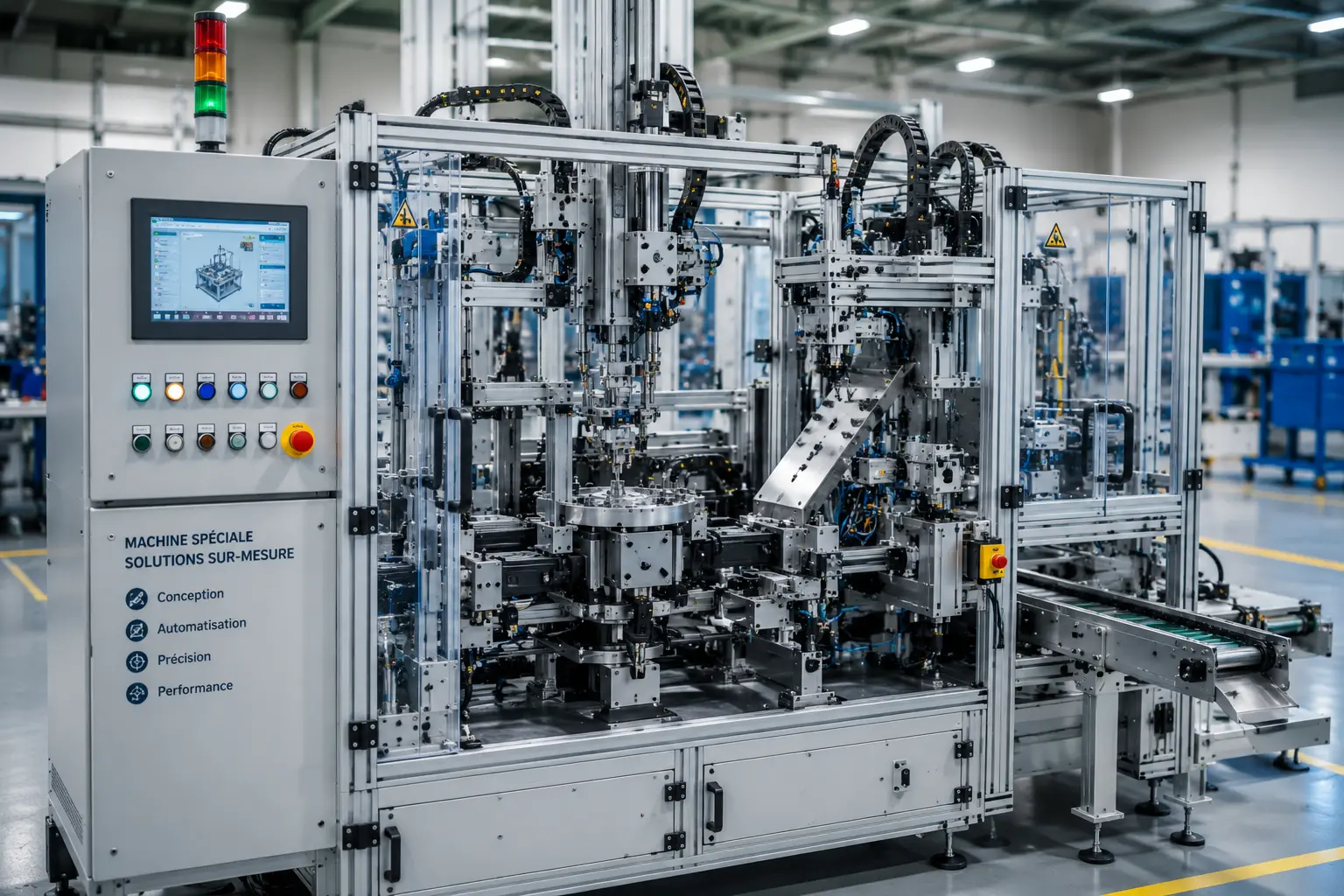
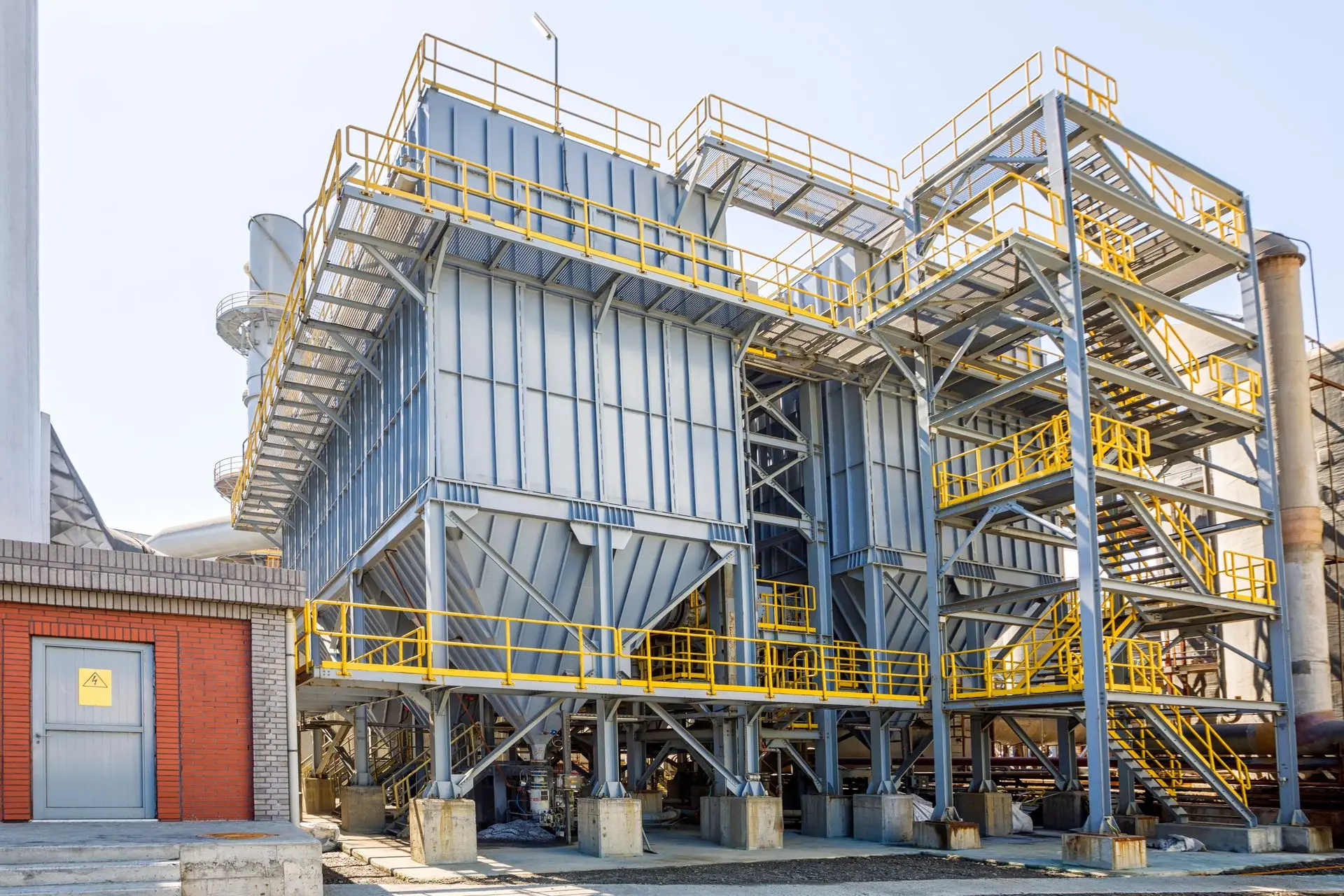
For which applications?



Complete your system...
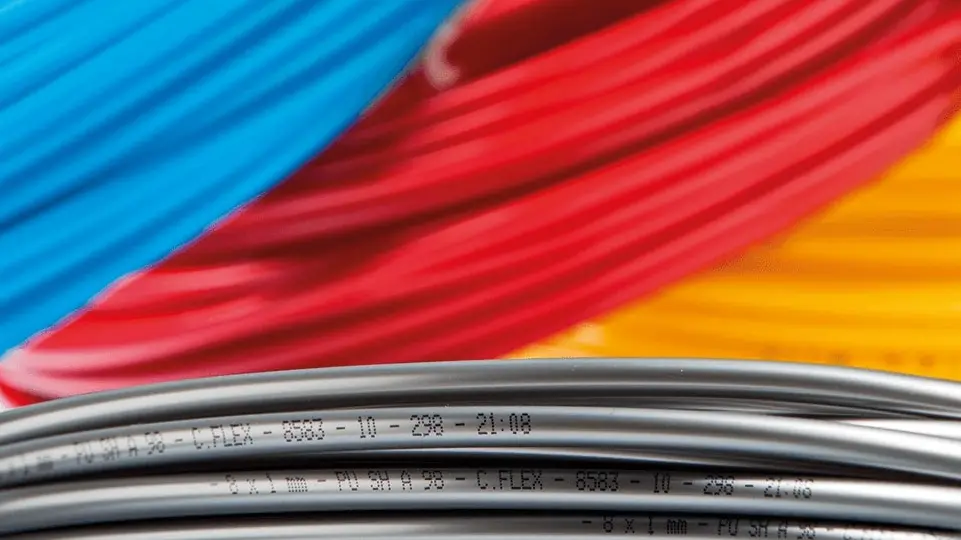
Tubes
Pair your pneumatic fittings with our range of polyamide, polyurethane, polyethylene, and fluoropolymer tubing to build reliable, high-performance compressed air systems tailored to your industrial applications.
Learn more

Silencers
Effectively reduce the noise generated by compressed air exhaust with our range of pneumatic silencers. Improve workplace comfort while maintaining the performance of your systems.

Solenoid Valves
Control and automate your compressed air circuits with our pneumatic solenoid valves. Reliable, high-performance solutions for all industrial applications.
Learn more
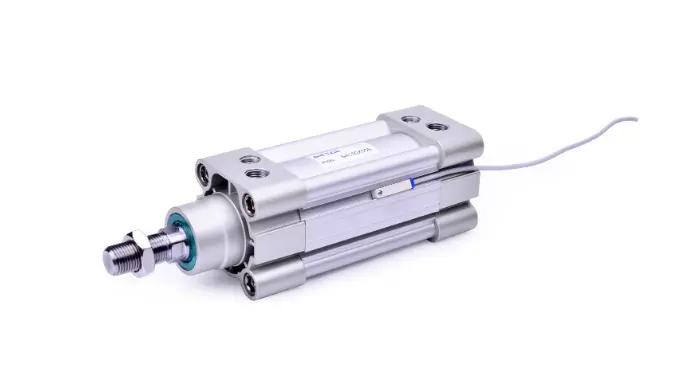
Pneumatic Cylinders
Optimize your linear motion applications with our industrial pneumatic cylinders. A comprehensive range designed to meet the demands of industrial automation.
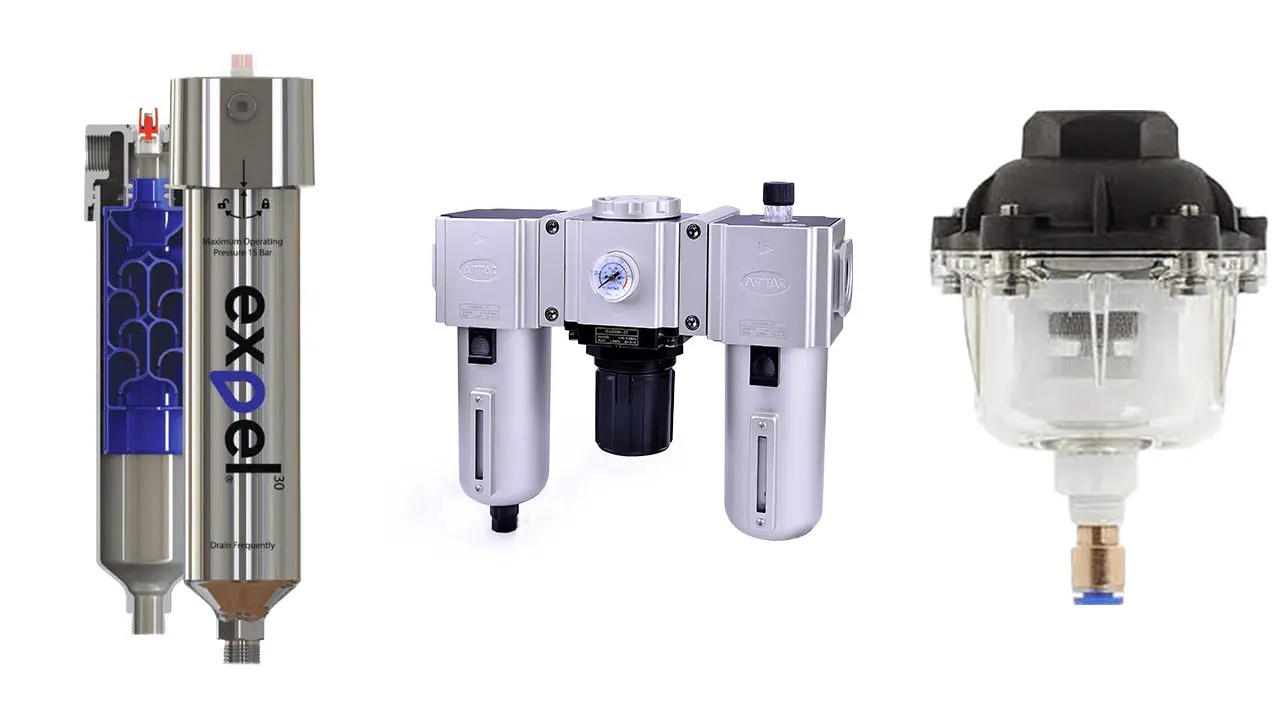
Air Preparation
Ensure the quality of your compressed air with our air preparation solutions, including filters, regulators, and lubricators, to protect and extend the life of your pneumatic equipment.
Frequently Asked Questions
Here are some common questions about our fittings.
Selecting a pneumatic fitting depends on several key technical criteria:
Key factors to consider:
Thread type: BSP, NPT, metric (must match your system)
Tube diameter: must fit perfectly to ensure sealing
Operating pressure: some fittings are designed for high pressure
Application type: compressed air, vacuum, specific fluids
Environment: temperature, humidity, corrosion
⚠️ Common mistakes:
Choosing incompatible fittings → immediate leaks
Undersizing → flow loss
Wrong material → premature wear
Poor selection can lead to significant energy losses and production downtime.
→ Use our guide or request expert advice to ensure the right choice
There are several types of fittings, each designed for specific applications:
- Quick couplings 👉 Instant connection/disconnection, ideal for maintenance
- Push-in fittings 👉 Widely used in automation, fast tool-free installation
- Threaded fittings 👉 Strong, durable connections for fixed installations
- Stainless steel fittings 👉 Ideal for corrosive or food-grade environments
- High-pressure fittings 👉 Designed for demanding applications
How to choose?
It depends on:
your installation
frequency of use
industrial environment
Each type meets a specific need → making proper selection essential.
Compressed air leaks are a major issue in industry, accounting for up to 20–30% energy losses.
Main causes:
Incorrect or unsuitable fittings
Wear or poor-quality components
Improper installation
Vibrations
✅ Best practices to prevent them:
Choose industrial-grade fittings
Check thread and diameter compatibility
Ensure proper installation (avoid overtightening)
Regularly inspect installations
Use materials suited to the environment
→ Optimize your network with reliable, properly selected fittings