How does a vortex tube work?
Instantly generate hot and cold air from compressed air, without electricity or refrigerants.
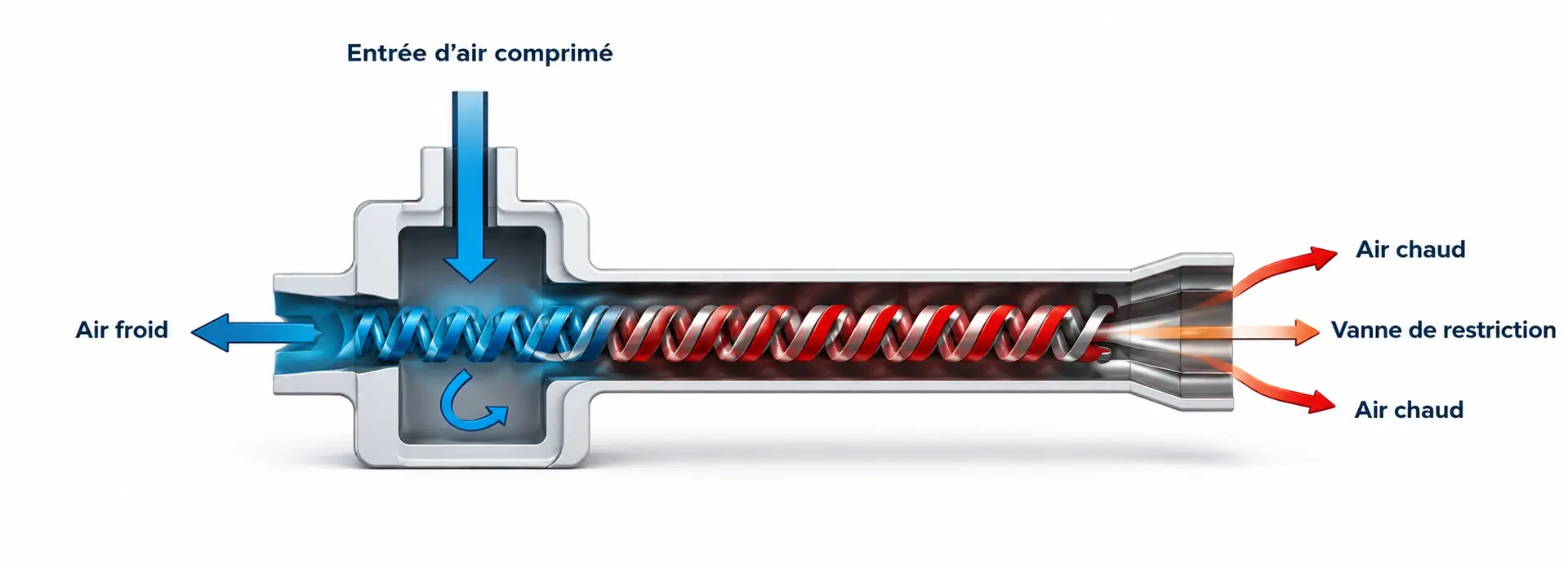
Step 1: Compressed Air Injection
Compressed air enters the vortex tube through a specially designed generator that spins the air at extremely high speed, reaching up to 1,000,000 revolutions per minute.
Step 2: Hot Air Flow Generation
As the air rotates, it heats up through friction against the inner wall of the tube. The hot air stream can reach temperatures of up to 200°C (392°F).
Step 3: Separation of Hot and Cold Air
At the end of the tube, a control valve restricts the hot air outlet. Part of the air is forced back toward the inlet through the center of the vortex, creating a natural separation between the hot and cold air streams.
Step 4: Cold Air Generation
This central airflow rapidly loses heat and exits the opposite end of the tube at temperatures as low as –45°C (–49°F), with a cooling capacity of up to 2,500 kcal/h.
TECHNICAL SPECIFICATIONS

Cold temperature
Up to -45°C

Hot temperature
Up to +200°C

Air supply
Compressed air

Required filtration
5 microns

Cooling capacity
Up to 2500 kcal/h
Best practices for optimizing a vortex tube
Compressed air quality
To ensure optimal performance, the vortex tube must be supplied with dry, clean compressed air filtered to 5 μm. The tube and air supply connection must not have any flow restrictions with a diameter smaller than 8 mm.
Cooling adjustment
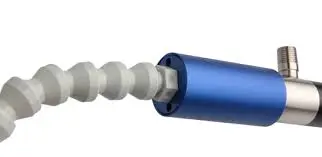
The restriction valve located on the hot air outlet allows adjustment of both the airflow rate and the cooling level achieved at the cold outlet.
Airflow vs temperature
A high cold airflow produces greater cooling capacity, but with a smaller temperature drop. Conversely, a lower cold airflow achieves lower temperatures with reduced cooling capacity.
Pressure influence
Higher compressed air pressure increases the temperature drop achieved at the cold outlet. Lower pressure reduces cooling performance.
Free technical guide
Choose the right vortex tube for your application.
Avoid excessive compressed air consumption mistakes.
Optimize cooling for electrical cabinets and machinery.
Receive for freePourquoi utiliser un tube vortex ?
The vortex tube is a simple, reliable, and cost-effective industrial cooling solution that generates instant cold air from compressed air.
 Instant cooling with no startup time
No moving parts, resulting in very low maintenance
Quick installation on existing compressed air systems
Precise cooling for electrical enclosures and CNC tools
Operates without refrigerants or local electricity
Compact solution suitable for harsh industrial environments
Industrial applications

Precision cabinet cooling
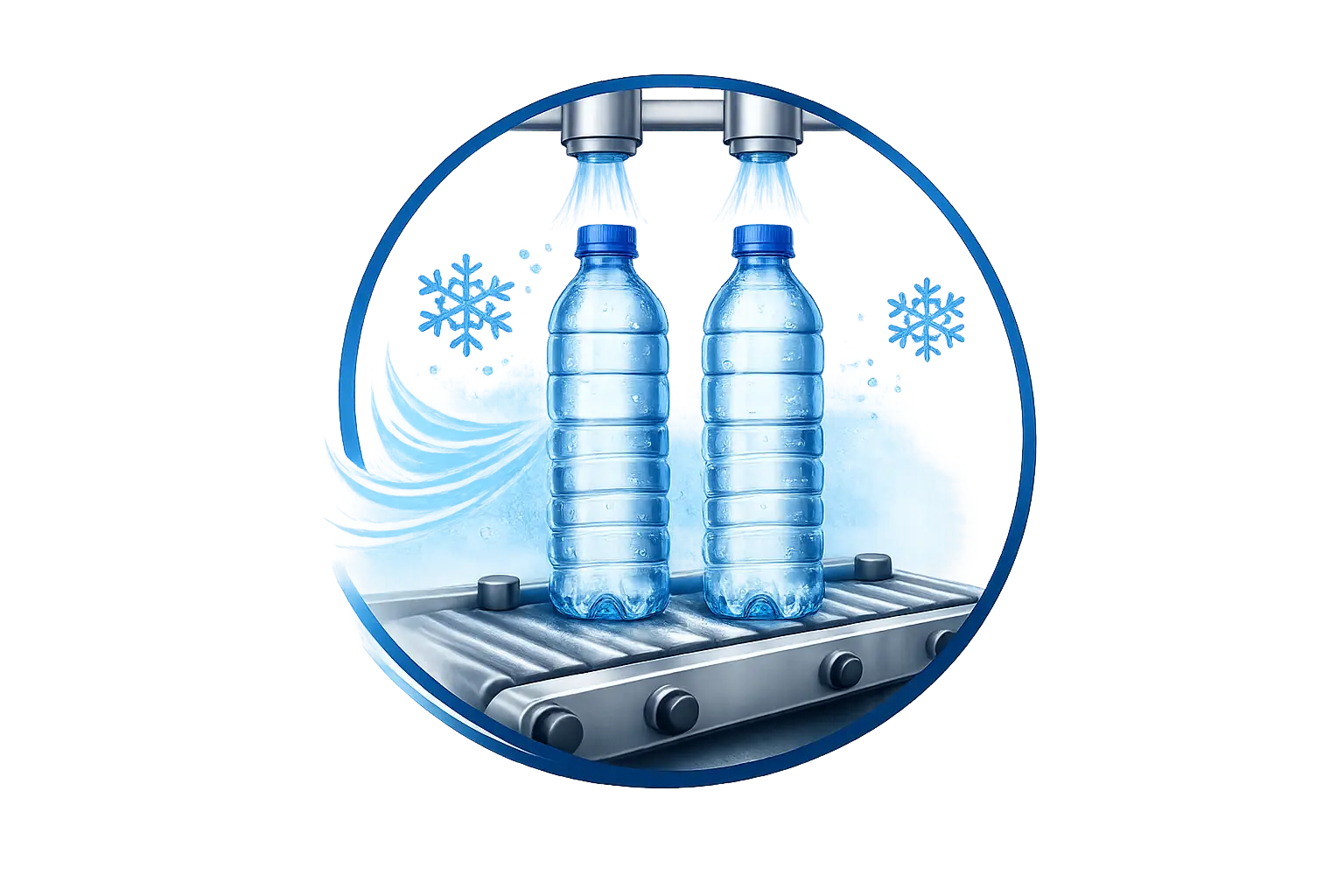
Plastic bottle cooling
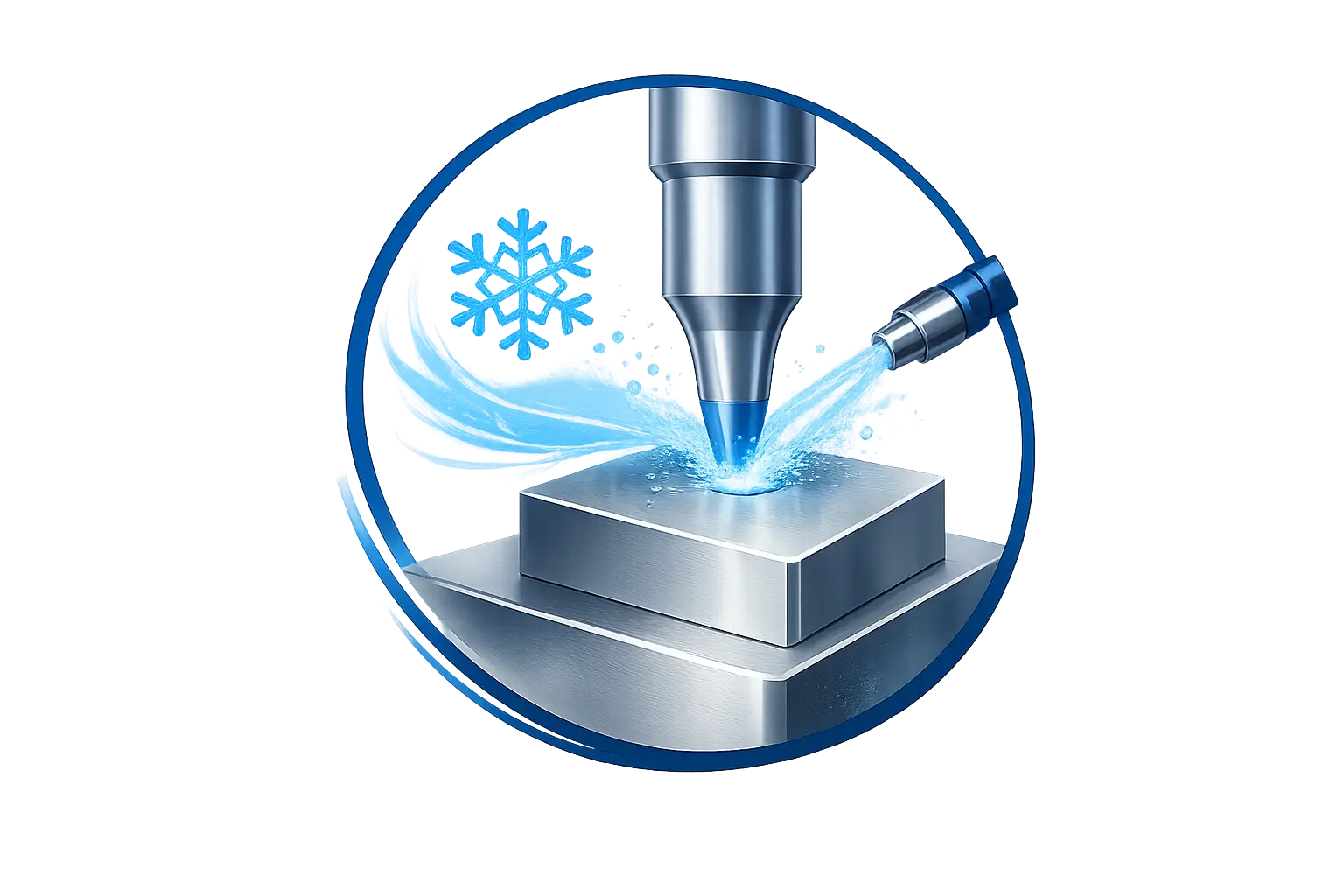
Sonotrode cooling
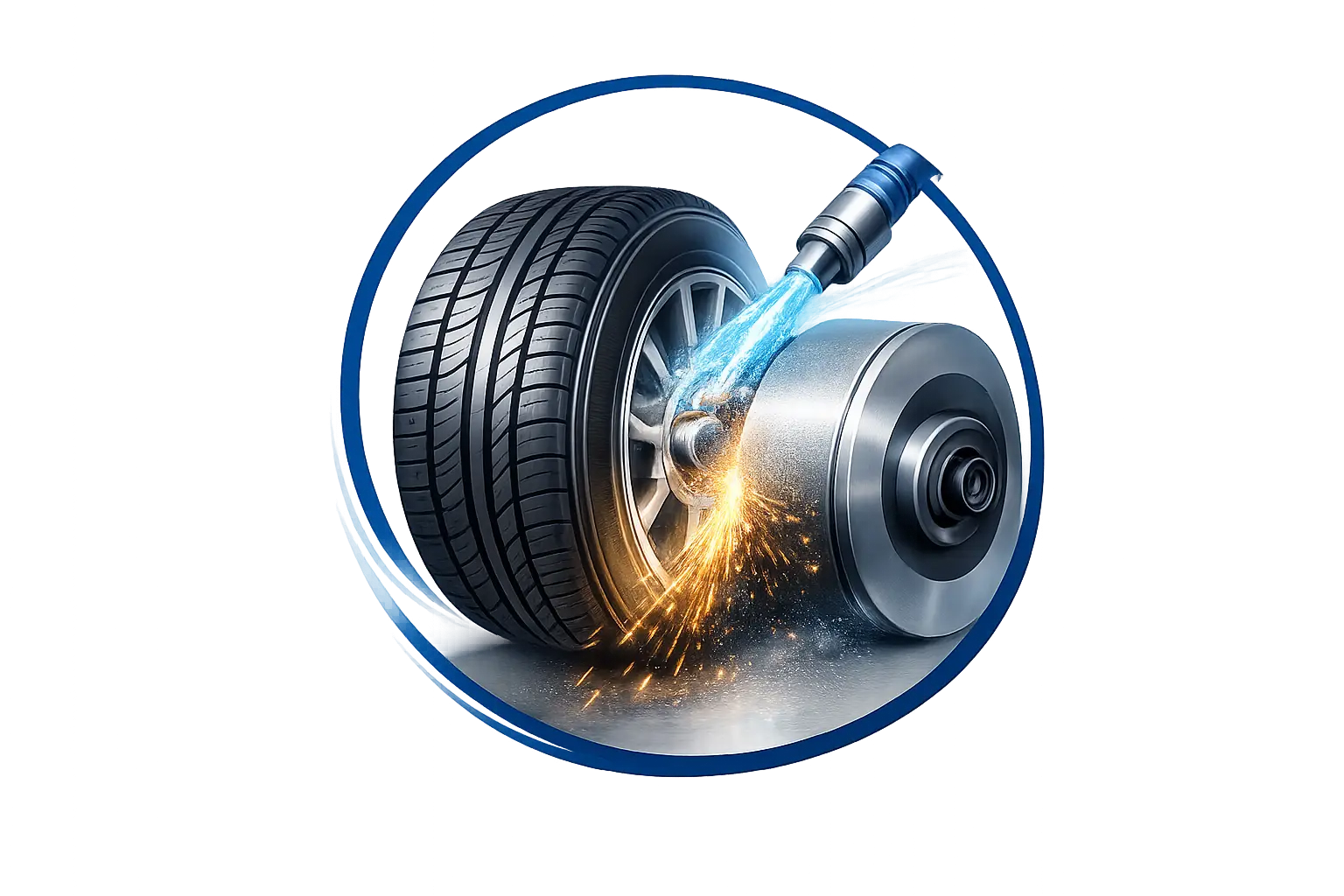
Tire grinding
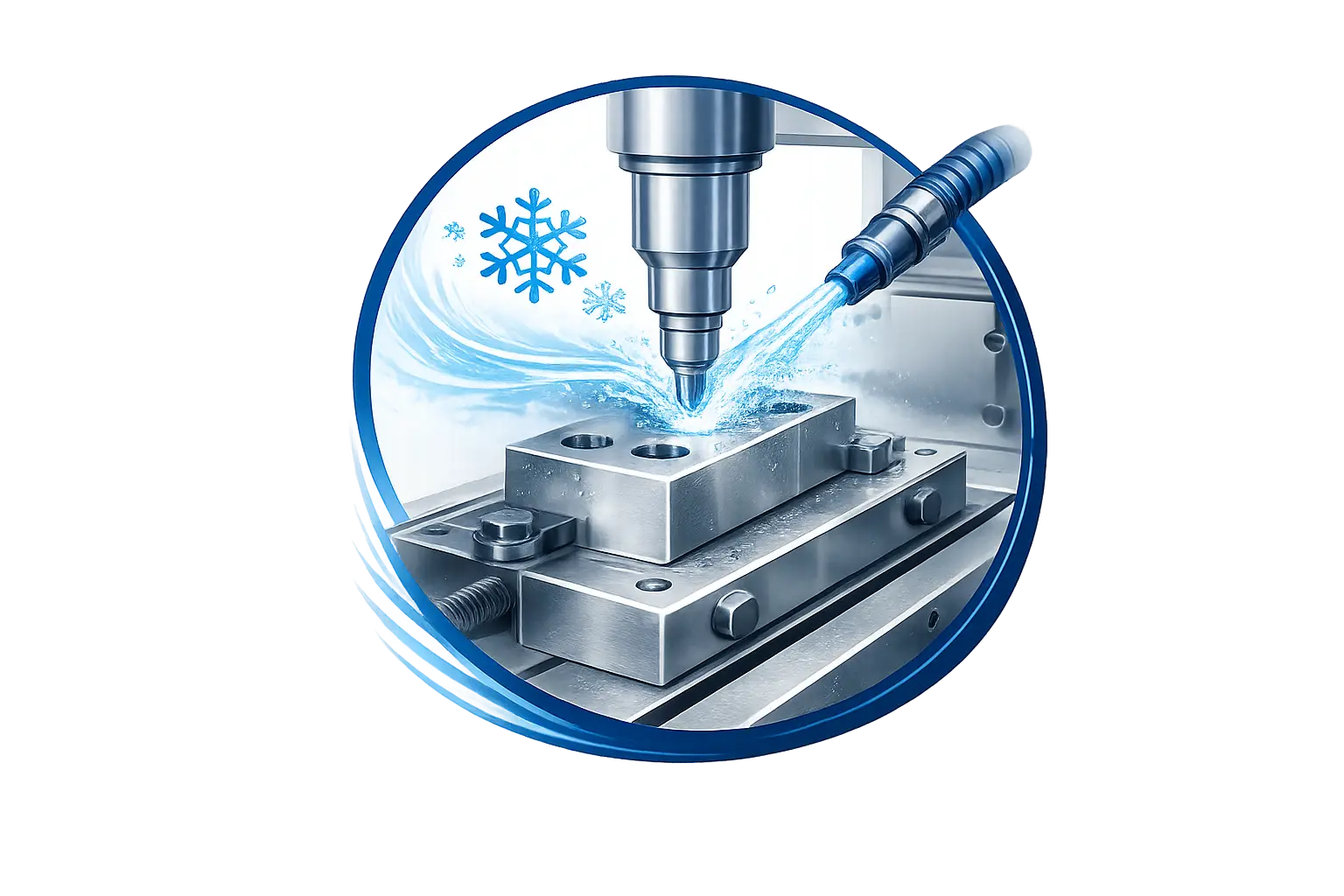
Part cooling
Recommended equipment for vortex tubes :
✔ Improved cooling performance
✔ Reduced pneumatic noise
✔ Protection for industrial equipment
✔ Optimized compressed air consumption
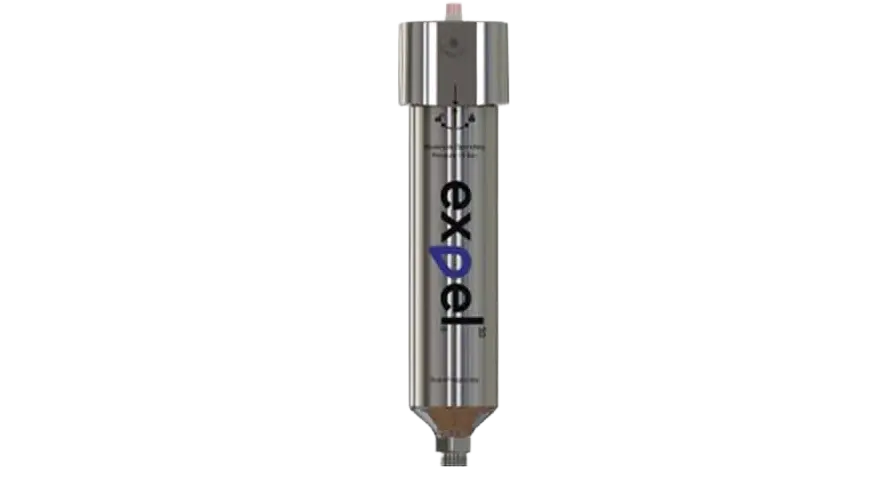
Compressed air filter
The Expel compressed air filter protects your equipment by eliminating 99.999% of water, oil emulsions...
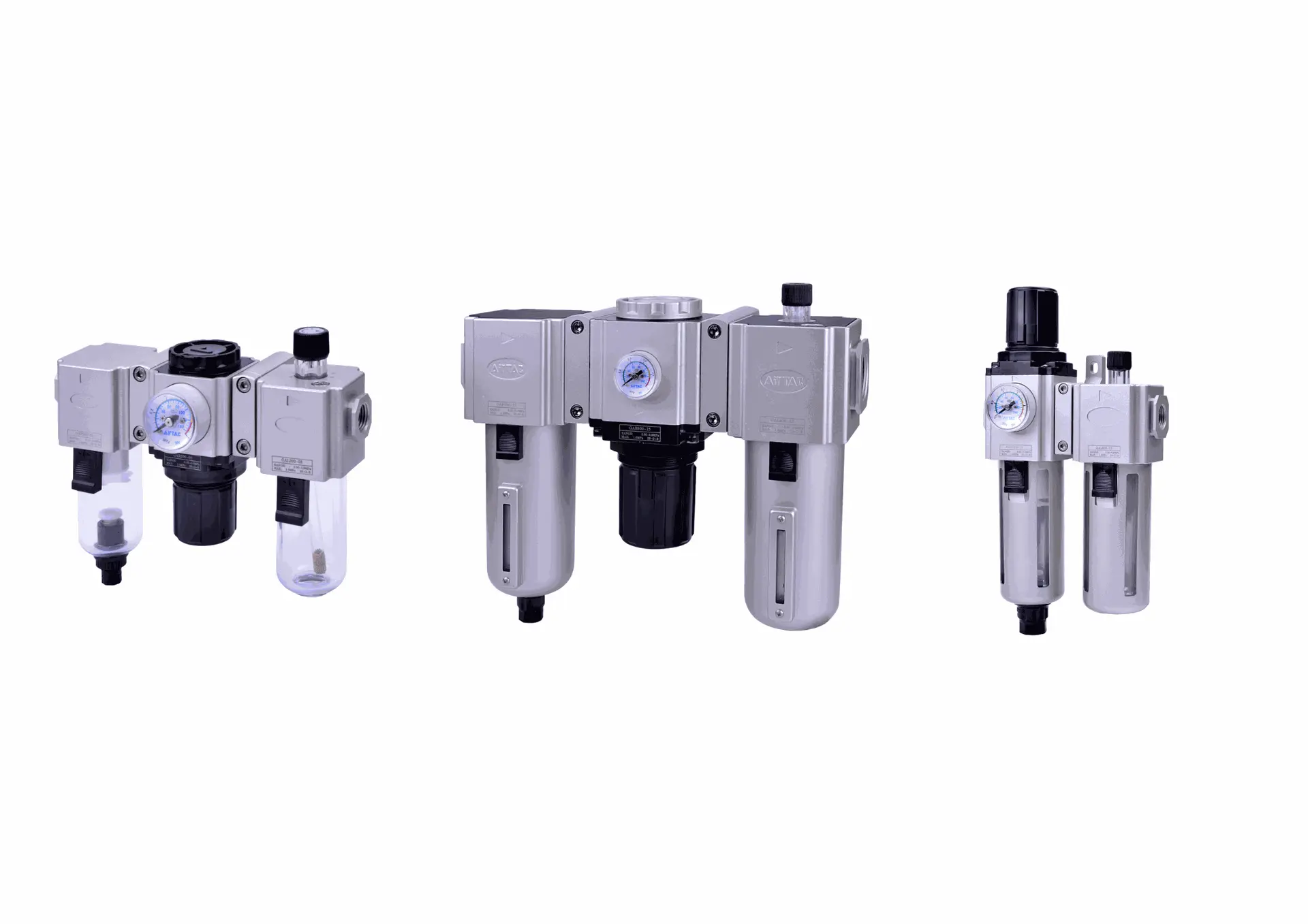
Filter Regulator Lubricator
Protect your equipment and regulate pressure with our modular FRLs.
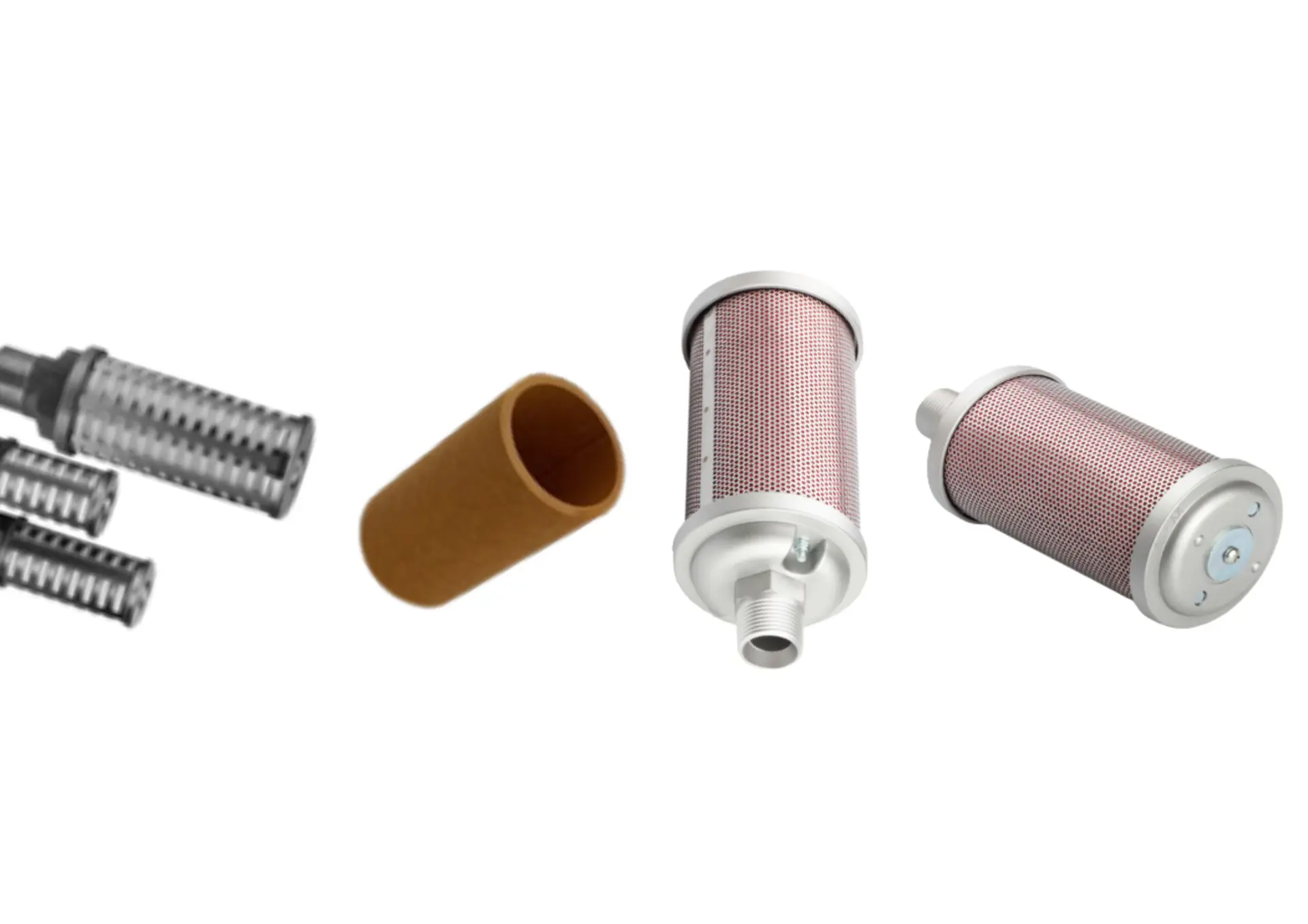
Silencers
Significantly reduce noise by using our clog-free silencers.
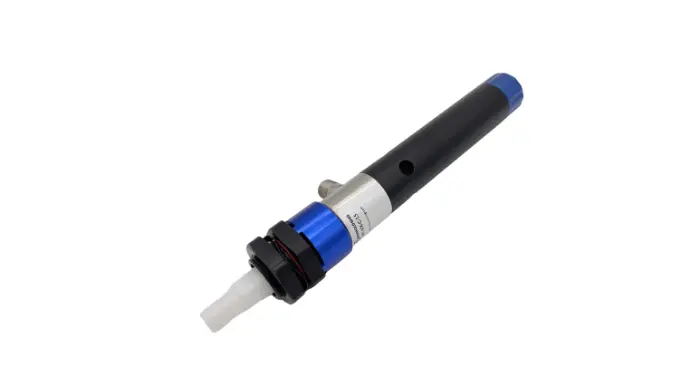
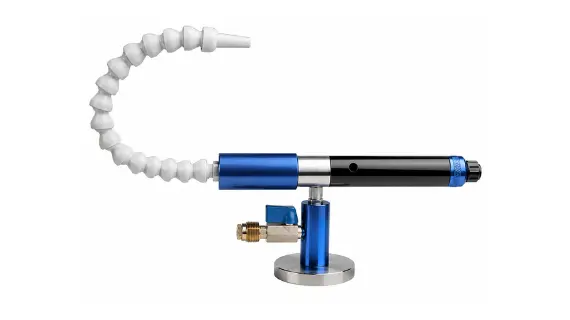
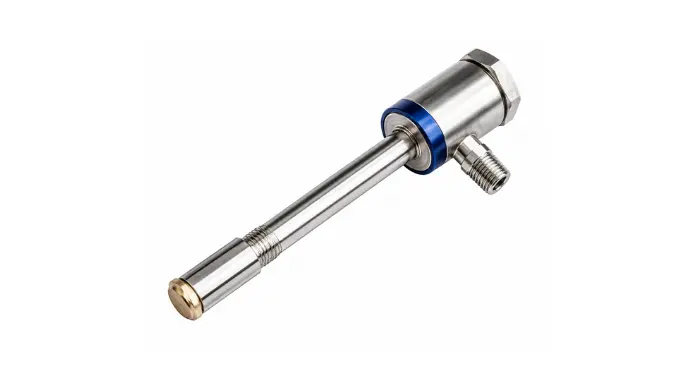
Order your industrial vortex tube
Frequently Asked Questions
Here are some common questions about vortex tubes.
Vortex tubes efficiently cool industrial electrical enclosures using compressed air, without the need for air conditioners or refrigerants. This compact solution helps prevent overheating, reduces maintenance requirements, and is perfectly suited for harsh industrial environments.
The selection of a vortex tube mainly depends on the available airflow, the required temperature, and the industrial application to be cooled. Vortex tubes are commonly used for cooling CNC tools, electrical cabinets, electronic components, and localized industrial processes.
A vortex tube instantly generates cold air from compressed air without moving parts or refrigerant gases. This industrial cooling technology is valued for its simplicity, low maintenance requirements, and ability to operate reliably in demanding industrial environments.