What is optical sorting ?
Optical sorting is an automated and intelligent separation process that allows solid materials to be sorted in real time, based on their visual or physical characteristics. This technology relies on the combination of high-resolution cameras, multispectral sensors (visible, infrared, UV), and advanced image-processing algorithms.
Its objective: instantly detect and reject any element that does not meet your quality criteria, without interrupting the production rate.
Originally developed for the food industry, optical sorting has now become a key driver of operational excellence across many industrial sectors:
Food industry: sorting cereals, legumes, dried fruits, cut vegetables.
Recycling: separation of plastics, paper, metals, composite waste.
Pharmaceutical industry: quality control of tablets, capsules, ampoules.
Plastics, quarries and minerals: granulometric sorting, sorting by color or brightness.
MAC Valves: Pneumatic Responsiveness at the Core of Optical Sorting
Optimize the precision and speed of your sorting systems with MAC Valves solenoid valve technology.
An automated sorting process with smart sensors
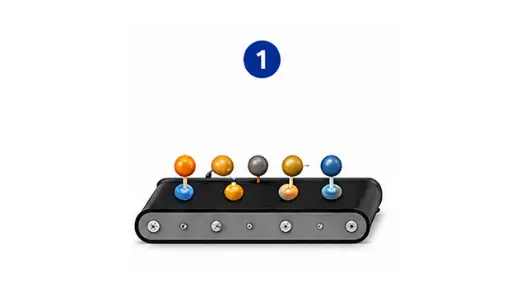
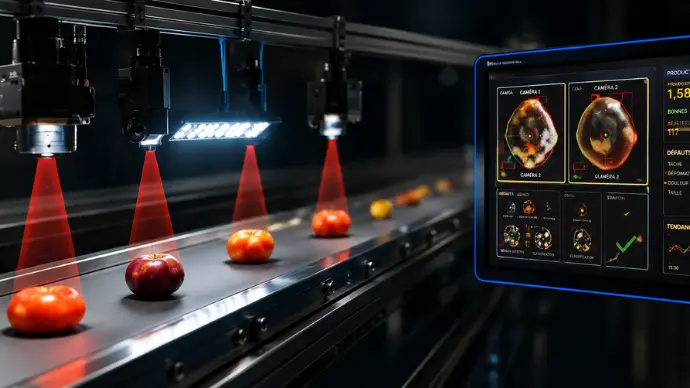
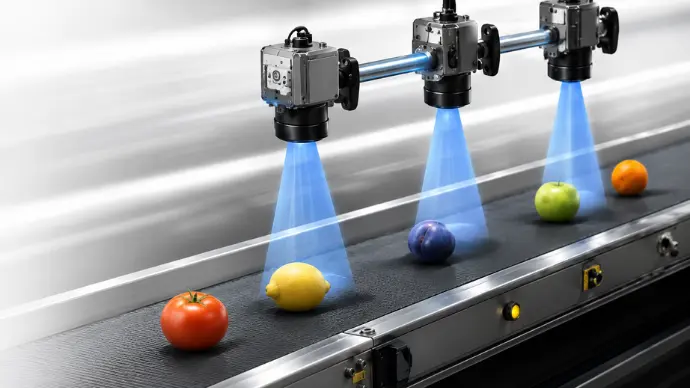
Products move along a continuously running conveyor.
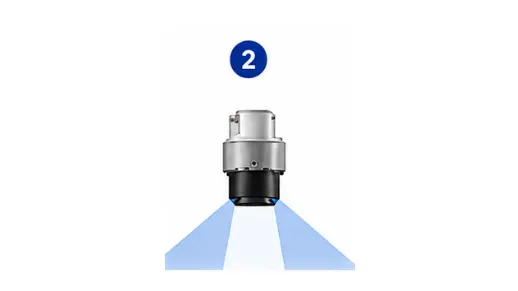
They pass under an industrial vision system, consisting of high-frequency cameras and specific sensors (RGB, NIR, hyperspectral, etc.).
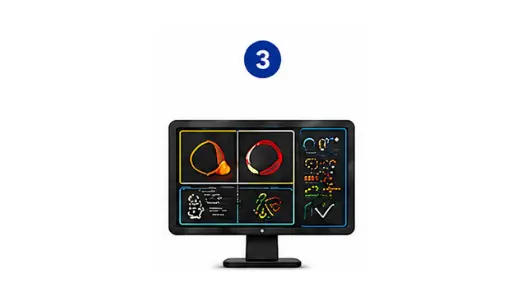
Each image is processed in just a few milliseconds to identify any anomaly or variation (color, shape, size, structure, surface defect).
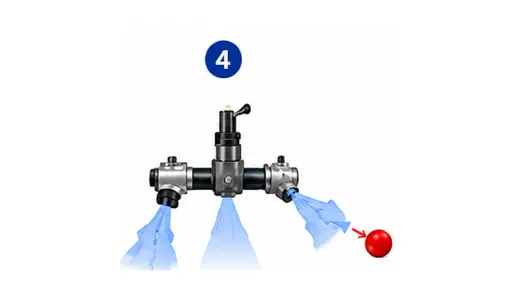
Non-compliant products are instantly expelled by precise compressed-air jets positioned at the end of the conveyor.
A multi-sector, adaptable and scalable technology
Optical sorting is today recognized as a cross-industry technology, able to adapt to extremely diverse production contexts, whether organic, inert, or pharmaceutical products.

Food Industry
- Detection of foreign bodies in flows.
- Sorting by ripeness, shape, or color.

Recycling
- Sorting plastics by polymer type or color.
- Eliminating plastic films from paper flows.

Pharmaceutical
- Detecting coating or breakage defects on tablets.
- Checking dimensional conformity of small packages.

Mineral Industry
- Separation of plastic or mineral granules by precise optical criteria.
- Sorting bulk materials in quarries or cement plants.
How does an optical sorting system work ?
1
Step 1: Real-time image analysis
The intelligence of the system relies on instant processing of captured image streams. Products are continuously compared against a database of visual references (standard models). Any deviation — abnormal color, stain, shape defect — is automatically detected, even at very high throughput rates (up to several tons per hour).
2
Step 2: Fast ejection system with compressed air
Once an anomaly is identified, a targeted air jet triggered by an ultra-fast solenoid valve removes the non-compliant item. This mechanism guarantees:
- Response times below 1 millisecond.
- Contactless extraction without damaging surrounding products.
- Continuous throughput with no slowdown of the production line.
Why integrate optical sorting into your industrial process ?
Adopting this technology brings immediate value to your production lines, in terms of product quality, productivity, and cost control.
Unmatched Precision
Defect detection at the scale of tenths of a millimeter.
Consistent repeatability of sorting, even at high throughput.
Drastic reduction in human error rate.
Waste reduction and value recovery
Less material loss.
Improved conformity rate at line output.
Possibility to re-inject sorted good items back into the process.
Quality monitoring and continuous improvement
Real-time generation of sorting data.
Early detection of quality deviations.
Possible integration with MES or ERP systems.
MAC Valves and Optical Sorting

Million cycles
Optimize the precision and speed of your sorting systems with MAC Valves solenoid valve technology.

Reliable performance in demanding environments

Wide product range and customization options

Ultra-fast response times
Have a Project? Let’s Talk
Our experts support you in selecting the right solution for your installation.